

“Only birds were whistling, as if it were May. Perhaps they thought the sun had gone to the moon.”
Silence and darkness enveloped Bandung when Krakatoa erupted. The mountain, located in the Sunda Strait, erupted on 26–27 August 1883. In addition to the sound of the explosions, Krakatoa’s black clouds reached the city, which lies 257 km east of the volcano.
As written in the previous article, the devastating eruption of Krakatoa remained vividly in the memory of Rudolph Edward Kerkhoven (1848–1918). In his letters, the tea lord of Gambung described the sound of Krakatoa’s explosions as cannons fired beneath their window. Rudolph’s story appears in the novel The Tea Lord, by Hella Haasse.
“Outside, it was pitch dark, the air hot and windless. The explosions continued, sometimes loud, sometimes faint. The next morning, we found that a group of native residents had taken refuge at the clerk’s home. Some believed that Mount Tilu was about to collapse, while others feared that it was our residence or the factory that would give way. Everyone was prepared to flee. The women carried their children in slings, and the men hoisted their most precious belongings onto their shoulders. Yet no one knew where to go[1].”
Rudolph further recounted that black clouds swept into the Bandung area around 10 a.m., plunging the surroundings into complete darkness. Conditions returned to normal toward late afternoon.
His account is consistent with reports in the newspaper De Locomotief. In its 29 August 1883 edition, people in Bandung described the sudden darkness as strange and alarming. From 10 a.m. to 2 p.m., the sun was obscured by black clouds coming from the west and north. This eclipse-like darkness was accompanied by faint booming and hissing sounds that seemed to come from the west.
The newspaper noted that residents responded to the situation by staying inside their homes. At the time, they associated the unusual natural phenomenon with the superstitions circulating in society.
Amid the distant, muffled sounds of volcanic explosions, the quiet and eerie atmosphere in the city was interrupted only by the songs of birds that usually appeared in May. The Locomotief writer added: “Perhaps the birds thought the sun had gone to the moon[2].”
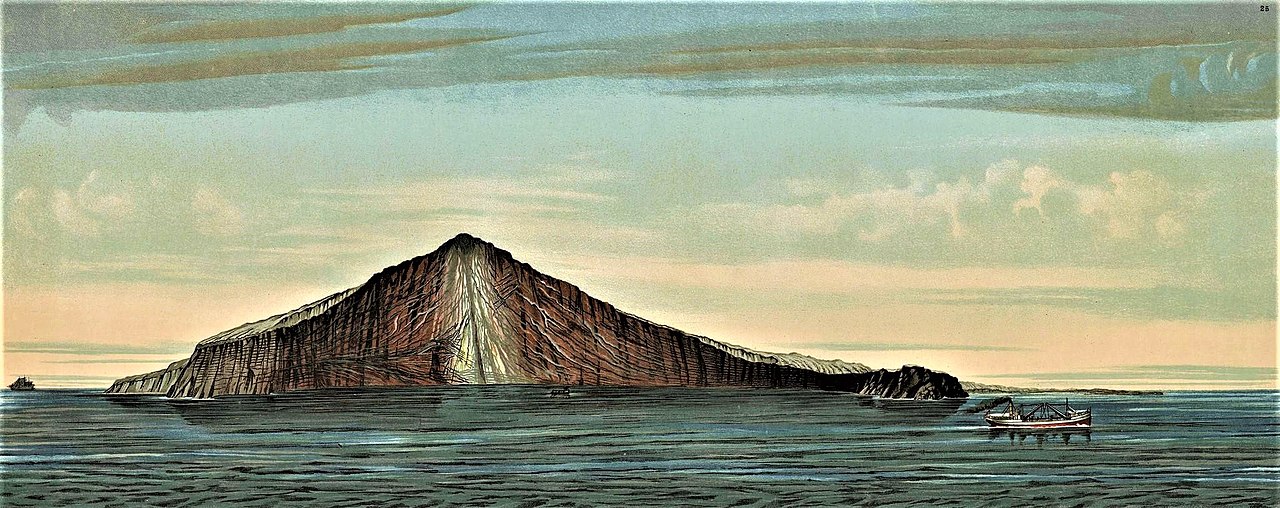
Image: Parker & Coward. 1888. Plate 1 in The eruption of Krakatoa, and subsequent phenomena. Report of the Krakatoa Committee of the Royal Society. London: Trübner & Co.
Referensi:
[1] Haasse, Hella. 2015. Sang Juragan Teh. Terjemahan. Jakarta: Gramedia. Hal. 292.
[2] Uit Bandoeng. De locomotief. 29-08-1883

Leave a Reply