Author: Hevi Abu Fauzan

Home Hevi Abu Fauzan
Suspended Rails in the 1911 Cipatat Earthquake
Post

Suspended Rails in the 1911 Cipatat Earthquake

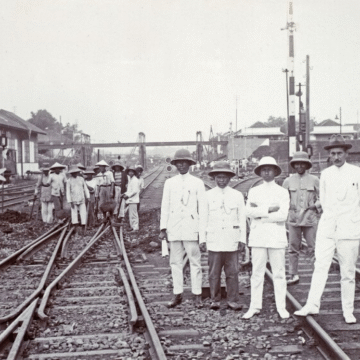
The earthquake that struck Cipatat in early January 1911 caused severe damage in various locations. The tremors lasted from morning until midday and were believed to be a continuation of a series of seismic activities that had shaken the region since mid-December 1910[1]. Prior to the early-year earthquake, Cipatat had already been shaken by seismic...
HISTORY OF BORROMEUS HOSPITAL BANDUNG
Post

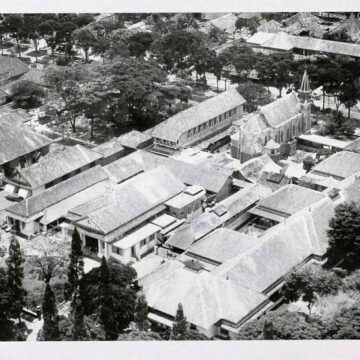
HISTORY OF BORROMEUS HOSPITAL BANDUNG

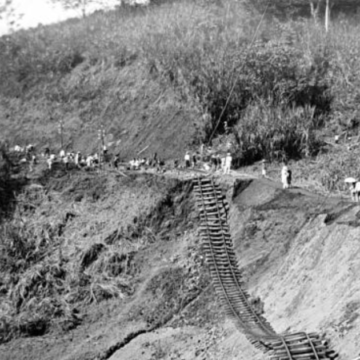
On September 18, 1921, the atmosphere along Dago Street in Bandung was lively. Cars arrived one after another at a building numbered 80[1], dropping off guests who had come to attend an important reception. The terrace of the building was filled with flower arrangements of various shapes and colors[2]. That day, the city of Bandung...

WHEN THE TORNADO STRUCK CIUMBULEUIT
Post

WHEN THE TORNADO STRUCK CIUMBULEUIT

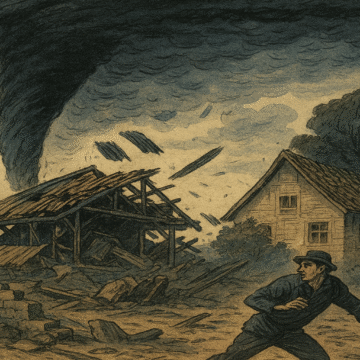
A tornado struck Ciumbuleuit, about four paal (about 6 km) from Bandung city center, on 26 February 1913 at around four o’clock in the afternoon. According to the first report in the newspaper De Preangerbode, the tornado destroyed part of the nearby tea factory building and the administrator’s house[1]. The Ciumbuleuit plantation was located in...

STRONG WINDS AT CIPARAY MARKET
Post

STRONG WINDS AT CIPARAY MARKET

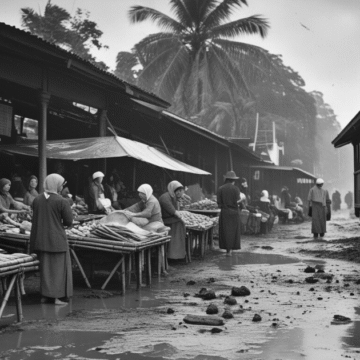
Ciparay is a district in Bandung Regency. Geographically, it is located in the southern part, close to the districts of Majalaya and Cicalengka. As the district’s city center, Ciparay is traversed by a highway connecting Majalaya and Banjaran. There is even a T-junction connecting this highway with the roads to Kertasari and Pangalengan. In addition...

THE SECOND STORM OF BANDUNG, 1922
Post

THE SECOND STORM OF BANDUNG, 1922

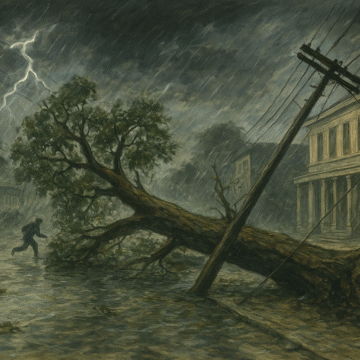
Just four days after the first storm, Bandung was hit again in early 1922. The first storm, on Wednesday, January 25, caused chaos across the city: floods spread, trees fell, roofs leaked, and several buildings collapsed, even causing casualties. Another storm struck with lightning on Sunday, January 29, as residents repaired the damage and tried...

A MAJOR STORM SWEPT THROUGH BANDUNG, 1922
Post

A MAJOR STORM SWEPT THROUGH BANDUNG, 1922

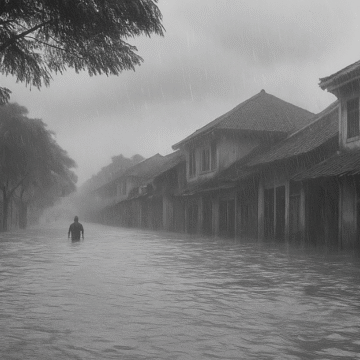
The Bandung Basin is never truly free from the threat of natural disasters. This highland region is frequently battered by rainstorms, struck by lightning, and even struck by tornadoes. These disasters not only cause material losses but also loss of life. One of the largest storms ever recorded in Bandung’s history occurred on January 25,...

THE FIRST VIADUCT IN BANDUNG
Post

THE FIRST VIADUCT IN BANDUNG

To the west of Bandung Station, a bridge spans the railway line. This approximately 50-meter-long bridge connects the south and north sides of Pasirkaliki Street. It became a crucial element in Bandung’s modern urban planning. The bridge’s existence was closely linked to the railway network improvement project in Bandung in the 1920s. At that time,...

STORY OF THE NEW SUNIARAJA STREET
Post

STORY OF THE NEW SUNIARAJA STREET

Suniaraja is one of the oldest roads in downtown Bandung. In the early 20th century, it served as a vital link between Bragaweg and Pasarbaru, as well as Bandung Station. However, before urban planning improvements, the route to Braga from Pasarbaru was not as straight as it is today. From Pasarbaru, one had to travel...

PADALARANG–CICALENGKA: A CENTURY OF ELECTRIFICATION
Post

PADALARANG–CICALENGKA: A CENTURY OF ELECTRIFICATION

The plan to electrify the Padalarang–Cicalengka railway line is once again under discussion, with Indonesian Minister of Transportation Dudy Purwagandhi recently revealing key details about this 42-kilometer project. As quoted by Tempo, Dudy stated that electrified commuter trains on the Padalarang–Cicalengka route are targeted to be operational no later than 2027. The presence of these...

KRAKATOA ERUPTION: WHEN DARKNESS SHROUDED BANDUNG (PART 2)
Post

KRAKATOA ERUPTION: WHEN DARKNESS SHROUDED BANDUNG (PART 2)

“Only birds were whistling, as if it were May. Perhaps they thought the sun had gone to the moon.” Silence and darkness enveloped Bandung when Krakatoa erupted. The mountain, located in the Sunda Strait, erupted on 26–27 August 1883. In addition to the sound of the explosions, Krakatoa’s black clouds reached the city, which lies...